The purpose of Poetslife is to promote the art and discipline of American Tactical Civil Defense for families and small businesses and to contribute practical American civil defense preparedness guidance for all Americans through my articles in the The American Civil Defense Association (TACDA.ORG) Journal of Civil Defense and leadership as the volunteer Vice President of TACDA.

1/13/2006

Wind Turbines, Alternative Energy, Solar

Ever since I worked at the Solar Energy Research Institute in Golden, CO in 1980 (now the National Renewable Energy Laboratory NREL) as an intern from Johns Hopkins, I saw how critical alternative energy is to the future of this nation. Twenty-six years later, alternative fuels are even more important.

(This is why I own stock in Energy Conversion Devices, Inc. ENER, which makes fuel cells, flexible thin-film solar panels for use as a roof, and other solar products. And the time for these products on the market HAS arrived, because I paid the tuition for my 20-year old's mechanical engineering junior year at the University of Maryland's tuition with this stock. Now...if we could just replace all those hot, sun absorbing, energy wasting roofs with energy use reducing cool roofs and energy generating thin-film solar roofs...)
I saw wind farms in Wyoming. It is a proven technology and it generates large amounts of electricity these days. 
We have a dangerous dependence on leaders of foreign countries who are hostile to our people and our nation. Worse, we are supplying the money that may one day be used against our children, just as when we sent
Imperial Japan the scrap metal in the 1930's that they used against us in the 1940's. (I can still remember my departed mother saying she had a history teacher at Germantown High School in Philadelphia in the late 1930's who would say over and over, "Don' they understand that the scrap metal we are sending them will be used to kill our boys one of these days?!." He was considered a nut before Pearl Harbor and a wise man afterwards.)
Solar Garden Lights - bring them inside and light up your kitchen and bathroom during power outages
Solar Electric Carports
PowerFilm - recharge your laptop, Ipod, smart phones and other electric devices with the sun, off the grid...
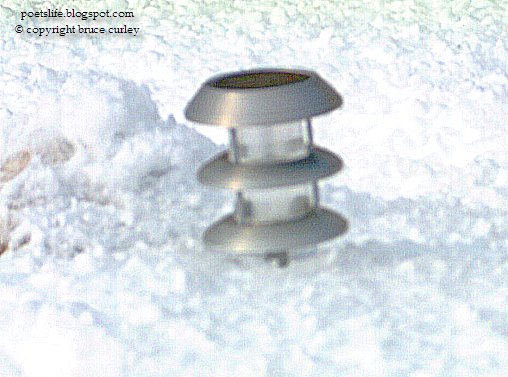
The solution to our "addiction to oil" will take millions of small steps...like this simple solar garden light. Many of the technology breakthroughs I saw as an intern 1980 at the Solar Energy Research Institute (now the National Renewable Energy Laboratory) are readily available at your local or big box hardware store or on-line. Hundreds of durable and bright outdoor solar illumination products (driveway signs, lights, address signs, etc.) are now on the market.
I have two dozen solar garden lights on my property. They are made of aircraft aluminum and the photovoltaic cells on the top are superior to the earlier versions. They give me soft, free light at night. And during the last power outage, my family brought them inside and used them for light. They are good for 12 hours of light with each daily charge. Solar is now a thriving business and can meet the needs of our power-hungry toys.
Now...if I could only decide what fuel cell car to buy

1/11/2006

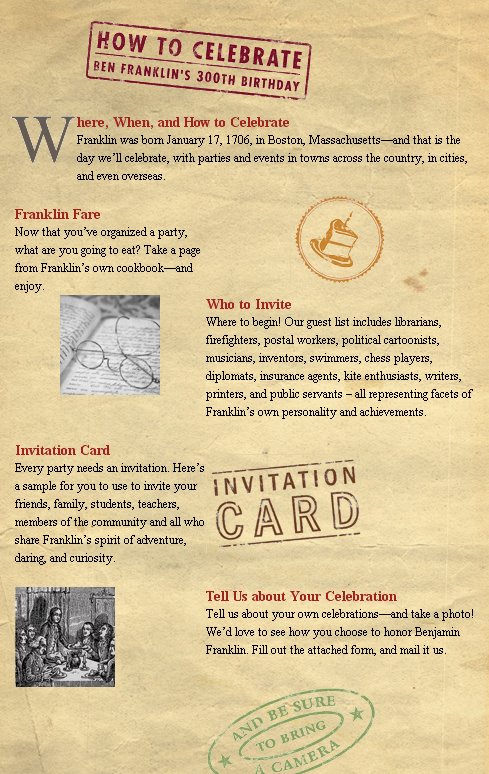
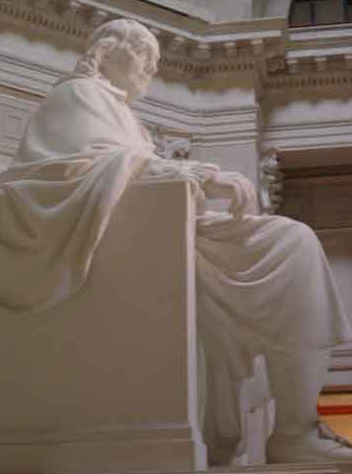
Ben Franklin at 300

Well done is better than well said. Ben Franklin
Franklin Forum on Innovation: Inside the Art and Craft of Innovation at Knowledge Wharton
Ben Franklin at the Rosenbach
Mr. Benjamin Franklin
Pennsylvania History
John F. Kennedy said during his brief 1000 days, when presenting a dinner group at the White House of the greatest intellectuals in the nation, I think this is the most extraordinary collection of talent, of human knowledge, that has ever been gathered at the White House - with the possible exception of when Thimas Jefferson dined alone. He could have as easily said Benjamin
Franklin, who was born in 1706 and would be 300 years old this year...let the party begin.
There are number of ways to get to know the practical genius of Ben Franklin tied to this 300th anniversary celebration. Here are a few to consider.
The Pew Charitable Trusts have given $4 million...that's right...to get the party going. Their exhibit, Benjamin Franklin - In Search of a Better World, will appear in Philadelphia, St. Louis, Houston, Denver, Atlanta and Paris. In Philly, see it at the National Constitution Center. And don't forget to visit Franklin's legacy at The Franklin Institute.
[Information in the above parchment used with Permission of The Benjamin Franklin Tercentenary.]
A quick way to get an idea of the genius of Ben Franklin is to visit Franklin Court and Underground Museum between 4th and 3rd and Market and Chestnut Streets two blocks away from Independence Hall toward the Delaware River in Philadelphia's historic district. It shows a frame of where his house once stood and exhibits of his post office, printing press and in the underground museum, you can view a wonderful timeline of his inventions...the indoor toilet, bifocals, iron furnace stove, divers flippers, broadside printing press, flexible urinary catheter, lightning rod, the fire fighting company, fire insurance, odometer...the list is almost endless.
Other websites worth looking at for Ben Franklin events include:

  • Independence Visitor Center - A huge visitor's center next to the Liberty Bell and Independence Hall with "information, history and adventure"
  • GoPhila What to do, where to stay and eat in the city and surrounding area
  • The Franklin Institute - Ben's birthday events at The Franklin Institute.
  • The Electric Ben Franklin - A storehouse of Franklin information, including a links page with everything from Ben's verse to his ideas of natural rights and federalism from his dealings with and printing treaties that had been negotiated with the Iroquois

1/10/2006

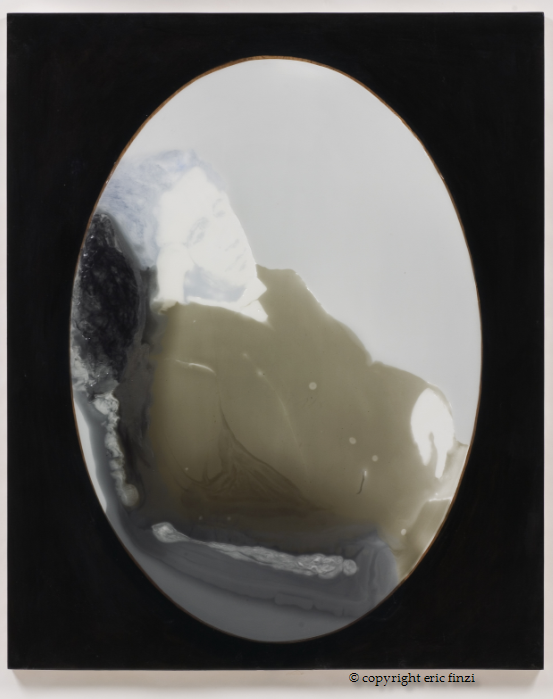
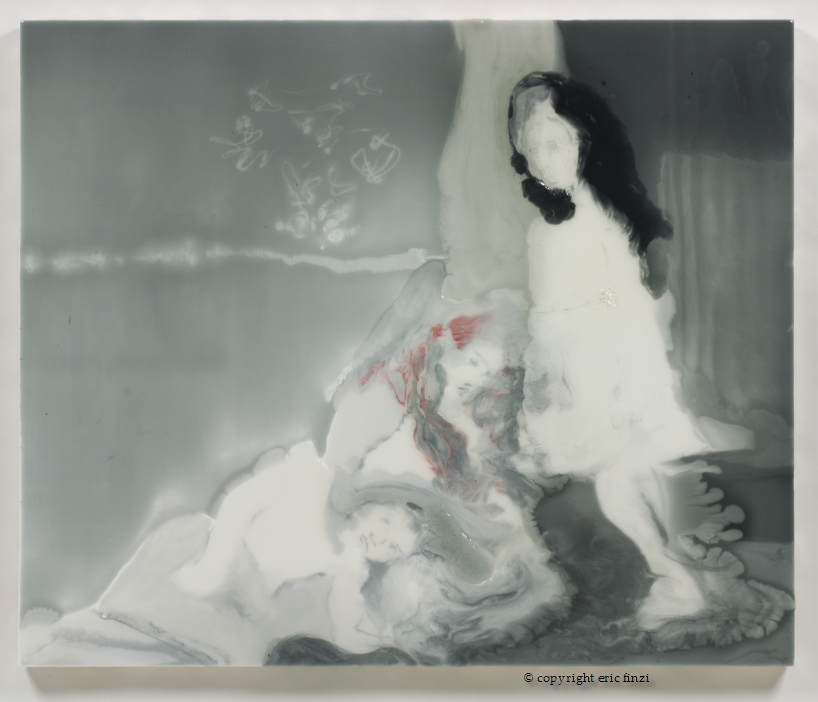
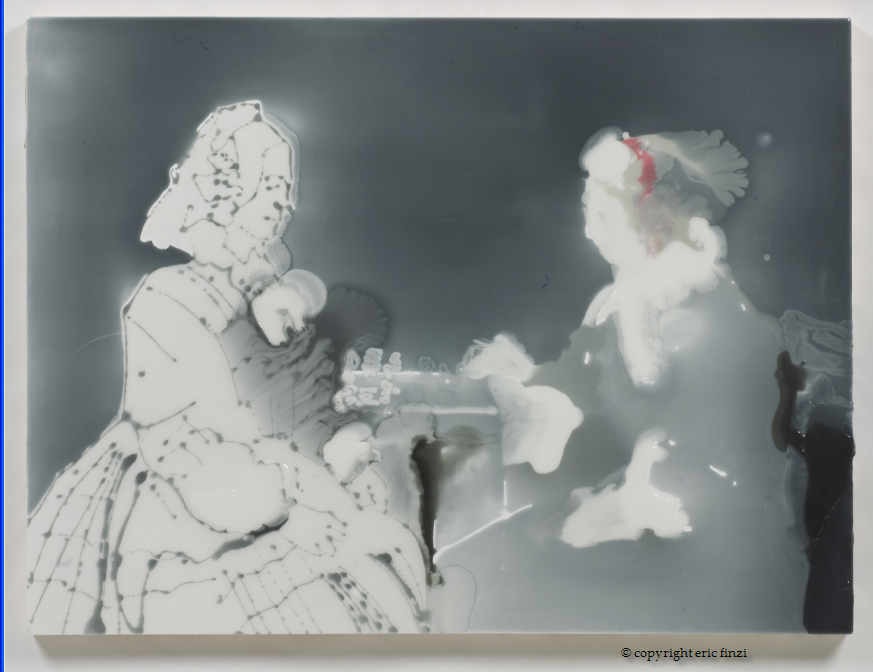
Eric Finzi and His Art

Eric Finzi is an artist of revolutionary range and vision. 

He has taken a formless and chaotic medium, resin, and given it discipline and form...on wood...aluminum...and copper. I present a few samples of his recent resin work here. 

To see more of his work, visit his art website: www/ericfinzi.com.

To see where Eric Finzi's art is on display, visit his news page and gallery.

In keeping with Robert Frost's command when asked to explain a poem, "What would you that I do? Explain it in other and less good words?"

I repost Eric's statement on his Website about the process he uses to create these revelations.

Working with epoxy resin is like trying to control chaos, thus providing a formative substance that might be characterized as born entropy. Resin painting is a type of performance art.

There is also an element of danger added as the fumes are sweet but deadly. The process begins with the mixing of the resin and its catalyst; a chemical reaction ensues and time becomes an important dimension in the work.

The painting is planned, like a play, with Act I, Act II, etc. 

The painting you see represents the summation of many layers of chemical reactions, all moving with their own velocity to a final polymerized end. The challenge is to control the flow of resin using heat, cold, wind, gravity and viscosity as artistic tools. Syringes, needles and a propane torch are the resin painters brushes.

The paintings are temperature dependent and exude an organicity that defies their inanimate status. The polymerized painting portrays its temporal history as it captures the slow flow of resin.

These paintings continue to move after human hands have ceased to touch them. Their final destination can't be known until a day after starting the painting , when all Brownian motion has ceased and the flecks of paint are trapped like a fly in amber.

The painting you see is the final scene of a moving picture whose history is encoded in layers of resin. 
Not that Eric needs me to add anything about his art, but I was fortunate enough to tape him about his creation process. 

I would have liked to have put it up here so you could see him speak for himself. Unfortunately, the Sony software I tried to install crashed my system...badly...and I had to do a complete system recovery. So, until I can get video software that XP likes, I will have to type out Eric's words, as here.

[One blog note: I video interviewed Eric in 2003 when he visited our rebuilt house after the fire. His destroyed art was what allowed us to rebuild our kitchen because USAA was able to call the Walter Wickiser Gallery in New York where Eric had a show to confirm he was a "real" artist. Because he's also a dermatologist and cosmetic surgeon, USAA...like others...often find it hard to believe he runs a medical practice while creating so much art. Well, I was 18 and Eric was 16 when we met at the University of Pennsylvania, and I can assure you he's that kind of Renaissance guy.]

"These paintings are made with epoxy resin and paint and made with multiple layers. I basically work using the different polymerization times of the resin, depending upon the temperature of the resin, and waiting a certain amount of time before I put the paint in, before I pour it, which is why it has multiple layers.
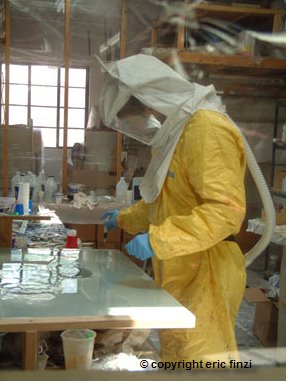
This is why it looks like it's sort of glazed with many layers of paint glaze, but it is actually all made out of resin. I work with this toxic resin and I've got a hood on and I have a compressor pumping air over my head. I basically suck in air from one end of the ware house and it travels 60 feet to the other area of the warehouse.

I walk around inside this room I constructed out of thin plastic sheet walls so you can see through. I can see out. I walk around connected to a hose so I can breath through a hose so I don't have to breath through a mask or a filter
...but I can see out...so I just mix up my resin. I have my paints in a jar. I make the paints liquidy.

I even have a water bath where I incubate the resin so I can control the temperature...I can feel it in a cup...and the resin. If I want to polimerize quickly I stick it in a water bath and it gets hot. Then I wait until it is a certain temperature. Then I know its ready to do a certain type of thing.
I either pour it out or squirt it out using needles, hypodermic needles.Those are my current tools, pretty much.

Me: "This resin technique of yours...does it have a name?

Eric: No.

Me: So... you can invent one
.
Eric: Yeah...it's the Finzi resin technique (laughter).

I tried an experiment once, just once, four years ago when I was working with resin but making sculptures that weren't flat. I tried an experiment and it looked promising and spent a summer playing around with it...and thought... this could be interesting if I could figure out how to get the paint in there and how to manipulate and control it. Now, I've figured out how to control it.
Even though my paintings looks like they are random and has that look to it, I'm in control and I know which way things are going to move. It's not a random piece. Because I can push the paint out of the way or use compressed air or get the bubbles out with a propane torch.

I do the whole thing flat because otherwise the paint would run off the whole thing. When I think the painting looks good, I take a torch and go over the entire painting. The latest thing I'm doing is using other base materials, like aluminum.

Eric painted this portrait of me that is in my Poetslife blog profile. It's a long story, but I don't have the painting anymore. All I have is this photo from a "Sixties" party we had when I was at the Johns Hopkins School of Advanced International Studies living on Capital Hill at 6th and E. Capital Street, which is why I am peering out of the corner of this photo/painting in the bottom left. 

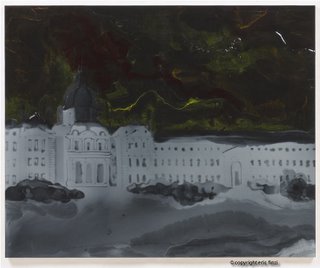
Here are a few more photos of Eric's work.


1/06/2006

Technical Writer List Server

Technical writers are a group of professionals who face great demands from the corporate and government sector. They must often create order from chaos, clear words from dense words, and clean visuals from blurry originals.
Oftentimes, they must search through mountains of documents to find the nuggets that help others to understand an item, procedure, tool, concept, theory, graphic, Web contnet, software, hardware, diagram, table, DVD, brochure...whatever medium is asked by superiors...and they must do so under very, very tight deadlines...therefore...it can begin to feel like the rock is about to fall...any day now.
Technical writers understand each other...and the unique demands each faces each day. Thus..the importance of the technical writer list server, where technical writers can gather over the Web, trade war stories, exchange advice and point to where help is to be found. Technical writers are a group of professionals who help the world run...better...faster...easier. I tip my hat to them.
I encourage any tech writers who are wondering about any task they face each day...what software to use to capture photos best, how to convert a PDF back to Word...how to get programmers to share their design document...to visit the Google Groups technical writers list server (bit.listserv.techwr-l) for the "how to."
And I recommend that, if you choose to make your living doing technical writing, you reach out to the other technical writers out there, by joining the national Society for Technical Communication...and a local chapter like STC Washington, D.C. Baltimore and by joining the technical writers list server. I show a random post taken from the technical writers list server, below. It demonstrates the format where this wisdom can be viewed, mined, and used in practical ways to do a better job each day.

I don't know Goober Writer, but his words give the flavor of the individuals who make this profession such a fascinating and interesting craft


Reply to Author Forward Print Individual Message Show original Report Abuse

From: gooberwri...@yahoo.com (Goober Writer) - Find messages by this author
Date: Wed, 29 Oct 2003 08:00:06 -0800 (PST)
Local: Wed, Oct 29 2003 11:00 am
Subject: Re: Re: What is "technical" writing? (Was: RE: What to do?)
Reply to Author Forward Print Individual Message Show original Report Abuse
When an engineer learns to write about engineering topics, he or she does not study "engineering." He or she studies "writing." The skills that allow an engineer to write about technical subjects are writing skills.

Technical writing is *taught* in engineering programs (such as Northeastern University), but that doesn't mean that writing is an engineering discipline. In no way should the act of writing enter this equation. This is all about core communication skills.

The "engineering" aspect (IOW, "technical") is required for anything concerning a technical concept. The "writing" aspect (IOW, "communication") is required for anything being conveyed from one person to another.

So what is "technical writing?"

It's the clear communication of technical information and concepts to another person or party.
Whether an engineer learns to write or a writer learns in-depth technical concepts is moot. The fact is that someone needs BOTH to succeed in communicating information about technical "stuff" to ANYONE else (techie and Luddite alike).

You gain NO advantage from ignorance when approaching the task of communicating technical information. The argument of "being on par with your audience" is pure and utter crap. You need to know your stuff.

If you're writing about a UI that traps user input and saves it to a database for later queries, you really should know the ins and outs of how that entire system works. That way you can clearly communicate the facts to the audience at hand.

True, data entry people don't need to know about SSL, encryption, why some things get hashed and others don't, and so on. But, YOU knowing why is important so you can make an intelligent call as to what to communicate, to whom, how, when, and why.

A technical writer doesn't need to be the person who developed the tool being documented, but that writer should know all there is to know about that tool so they have the knowledge and expertise to know what info is important for whom, and how best to communicate it.

THAT is technical writing.
Goober Writer
(because life is too short to be inept)

"As soon as you hear the phrase "studies show",
immediately put a hand on your wallet and cover your groin."
-- Geoff Hart

12/30/2005

Zillman Virtual Private Library

Marcus P. Zillman gets it...the potential of the Internet. (Interestingly... He uses bots to plumb the Internet overmind (data mining, subject information blogs, information tracers, news aggregates, Internet MiniGuides, etc.) to penetrate it's outer reaches for useful information.
He helps you conduct searches, research and surf the Internet more efficiently. How necessary is that? For example, here is his employment resources link At his Virtual Privary Libarytm I even found out my alma mater, The University of Pennsylvania, has a virtual library. Thirty years of magazines, alumni news, and other literature from them and I never knew.

Check out his reference information, white papers, search engines, and blogs. What a wunderkind. He's a national resource.

12/28/2005

Blue Ocean Institute

The Blue Ocean Institute works to create a new relationship between us and the ocean...before it is too late (which even the staid Financial Times writes about). They do so by using science, art and literature to create a new ethic where we understand how vital the blue planet is to our past, present and future.


[Most photos courtesy of NOAA.]

Since the ocean contains 97 percent of the earth's water, we should be careful about how we use it. The Blue Ocean Institute understands that and I wish them great success.

They are accepting sea story submissions from anyone who loves the sea. Here are a few poems I've written over the years with a sea theme that I sent. For my children's children, I'm very glad they are trying to change public policy to reflect the importance of the ocean and marine life.


Who hears the fish when they cry?
Henry David Thoreau
This stream,
which space families will need
as they populate galaxies past our knowing,
feeds a river with hundreds of thousands
of its brothers and sisters

and an ocean
that is so vast
we will know galaxies
before we will know its mysteries
is home, to fish,
so many fish
as there may be stars
in not just our galaxy,
but all the galaxies we will know.
When fish cry,
we should weep
for the galaxies
and the children
we'll never know.


The Return

The land beacons
with fruit and wheat
and wildlife abundant,
so I crawl from the sea,
seaweed draped and brine
permeated to the shoreline.

And I am one now,
my mother and family
are close by laughing
and the waves beat
their eternal rhythm softly,
faintly familiar but forgotten
because there is so much
between now and the return.

The football flies high above
the waves, drops back,
drops to a friend now laughing
by the waves until it lands
by a girl I've been watching
for hours who reciprocates
with a hair toss and shy smile,
and the din of the ocean
is silent for some years.
For a time, there is so much
to be done on dry land.

One day my own baby
is on my shoulders
frightened by the waves
and their ultimate calling.
I laugh at him, of course,
confident after so many years
with the sea and its waves
that I've mastered them,
felt their power and captured it,
taken it on and rechannelled it
to a life beyond these shores.

The land that beckoned
so many years ago
kept its promise.
It gave me the means
to support a growing family.
Good and sweet
foodstuffs abundant.
Clean, clear water,
even in cities, and shelter
from all but the fiercest storms
that claimed many far away
but left us safe and dry
at higher land elevations.

Now...this wheel chair
and these grandchildren
and great grandchildren.
If I could only tell them
of that journey from the sea
and all the lands between,
the seascape and landscape
and each is so dependent
on the other for life.
Of how the shoreline
is the altar upon which
the inner life should know
how tenacious and beautiful
and brief this life on dry land
looks when the sea beacons
like the ocean waves, at this end.

They show me the baby
and I hope I can recognize him.
I wish my body still answered
my thoughts, but we both know
it can never be so again.

I hear the waves clearly, though.
Through it all, the years and cities,
wars and the news media drumbeat
into my head, all spread before me
as on a screen, I still hear the waves.
My family looks at me with such
concern and pity, but it is not the time
or place for pity. I hear the waves
on the shore...WWOOOOOSHSHSH...
WWOOOOOOSHSH...WOOSHSH...

I hear their tender and light-filled call,
and I surrender...I surrender.
From the time I crawled from the sea
they've been calling me to them again.
No more crawling inland...
...it is time to answer the sea?s call..
it is time to return..

Fenwick Island, DE
June 19, 1997


12/24/2005

Future Dust

Hear a reading of Future Dust here.

Future Dust

"I'll never look like that!"
I said to myself when we were offloaded
from the Lakeland Air Force Base Officer
Training School bus and heard the upperclassmen
bark orders at us, the arriving class,
and saw the triple rings under their eyes.

Six weeks later, I looked like that
as I stood at the attention outside my room
on Saturday Morning Inspection
(as one upperclassman stood
outside my room looking at every detail
of my appearance for deviations
"Details will save your life!"
repeated by my teachers so often
it is forever burned into my mind,
and another ran over every detail in my room
from the folds in the mattress
to the spacing between my socks).

I broke after they left
to scan my demerits book
aware that so much depended
on my finally bringing those demerits down:
my graduation, the cohesion of my flight, honor,
the future of the United States of America.

And there it sat, like a turd
the inspector left behind
from his white-gloved hand:
"Future dust." When the inspector returned
for questioning, I fired it right at him,
"What's 'future dust', Sir!?"
"I'd have had a perfect inspection
but for that demerit."

"Come over here, son."
he said in a thick Southern drawl.
He opened the blinds to let in the sun
and pointed at the air.

"What's that?" he said,
a thin grin opening on his face,
all the muscles in his future fighter pilot's body
preparing to press the red button on the joystick.
"Dust, Sir." I stated.
"Wrong, Officer Candidate Curley!
That's future dust!
In a few minutes it will land on your desk
and you failed to prevent it!
Therefore, you Sir, are guilty!
Guilty of letting down your flight
Guilty of failing to prevent future dust!"
Three demerits. Good-bye!

As our teachers told us so many times,
they were preparing us for war.
Waging war has rules and surprises,
and surprises repeated often enough
become the rules of warfare.

Like future dust,
Or the future dust of a company
that fails to plan for the next bear market,
or the future dust of a family death,
or the future dust of the lack of preparation
for the next war and the deaths that will result,
or the dust of skyscrapers brought down
by fanatical Mohammedian jihadis,
or the future dust we will find
clogging the oxygen filters
of our interplanetary space ships.

So many years later,
I now know they were right.
We all must be eternally vigilant
to prevent future dust from landing,
if we are to have any chance at all
of a life in the space dust of the future.

Lament for American Hands and Hearts

A father will not be coming home tonight, or ever.
He was among 45 passengers
On a routine American commercial flight, Flight 93
When terrorists, Satan's gift to the forces of evil,
Unjust war, pestilence, anger, murder, envy and all mortal sin,
Slit the throats of some mothers who were stewardesses,
Bound them, sprayed mace at the men, who tried to help,
Herded them into the back of the plane,
Rushed the pilots, murdered them, and hijacked the plane.
Nevertheless, this father Thomas Burnett
Calmly phoned his wife to say,
I know we're all going to die.
There's three of us who are going to do something about it.
As Mark Bingham phoned his mother to say,
I just want you to know I love you.
They organized and planned in nanoseconds,
And acted with fearlessness in minutes.
They overpowered the murders before them,
Charged down the 33 rows and 290 feet of 767 aisle,
Kicked down the locked cockpit door,
And 3 unarmed average Americans
subdued 4 armed, vile, and unclean Bin Laden terrorists
Because they overheard the terrorists plans to turn
The civilian airliner into a war missile
To kill more innocent civilians
In a new kind of war the terrorists
Decided and stated for decades ago, had no rules.

The unarmed Americans fought bravely and well.
They pulverized the puny terrorists who,
Now stripped of their most advanced weapon surprise
Cowered beneath the first and fierce counterstrikes
Of many future ones from average Americans
Until we drive these terrorists back to the caves
From which they emerged,
As their caves become their tombs,
As we carry forth the spirit of those who fought and died
Above the Amish Pennsylvania countryside
Who put into practice the ancient Amish saying,
Hands to work and hearts to God.

Academy of American Poets

Christopher Marlowe...such great promise cut short so soon...
This is the "Writing Basics" page on the Academy of American Poets website. There is much good writing and poetry of legendary American Poets on the website, but this is where you get the tools of writing that go beyond just the mechanics of writing.
And because they are a national organization, you look on the National Poetry Map page for writing resources near you.
Oftentimes, the closest many people get to poetry is reading or hearing one at a wedding or other life event. Here are links to poems for that purpose.
There are thousands of poems and hundreds of American poets on the Academy of American Poets website. It is, after all, THE Academy of American poetry, and it is stunning to consider it developed outside of academia.
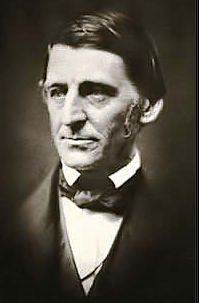
"The Poet" by Ralph Waldo Emerson, below, is just one example of the library of poetry to be found at the site. Poetry is meant to be heard, and the site has many audio versions of poets in their own voices reading their work. 
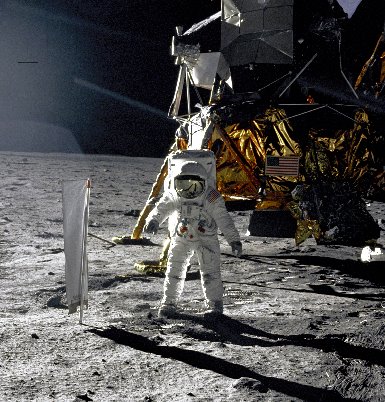
Like Edwin E. Aldrin, the pilot of the Gemini 12 spacecraft who explored outer space, dive into your inner space with a visit and read and hear a few poems.


The Poet

A moody child and wildly wise
Pursued the game with joyful eyes,
Which chose, like meteors, their way,
And rived the dark with private ray:
They overleapt the horizon's edge,
Searched with Apollo's privilege;
Through man, and woman, and sea, and star
Saw the dance of nature forward far;
Through worlds, and races, and terms, and times
Saw musical order, and pairing rhymes.
Olympian bards who sung
Divine ideas below,
Which always find us young,
And always keep us so.
A moody child and wildly wise
Pursued the game with joyful eyes,
Which chose, like meteors, their way,
And rived the dark with private ray:
They overleapt the horizon's edge,
Searched with Apollo's privilege;
Through man, and woman, and sea, and star
Saw the dance of nature forward far;
Through worlds, and races, and terms, and times
Saw musical order, and pairing rhymes.
Olympian bards who sung
Divine ideas below,
Which always find us young,
And always keep us so.

12/23/2005

Usability, Software and Web Credibility

Photo Source: NASA
"Usability applies to every aspect of a product with which a person interacts (hardware, software, menus, icons, messages, documentation, training, and on-line help). Every design and development decision made throughout the product cycle has an impact on that product's usability.
As customers depend more and more on software to get their jobs done and become more critical consumers, usability can be the critical factor that ensures that products will be used." Denise D. Pieratti, Manager Usability Analysis & Design, Xerox Corporation
My definition of usability is minimal effort for maximum results. Others say it is that technology should work and not make you feel stupid, or that usability is anything that gives us the tools to build better software and Web content.
Whitney Quesenbery's definition of the basics of usability is the best I've found.
As for you...why should you care about usability? If you work on the Web, create content for the Web, or use the Web...you should care about usability. For example, by incorporating just one usability technique, paper prototyping (sitting down with your software development team and using 8 x 11 inch pieces of paper and Post-itr notes to create prototype web pages BEFORE coding...you can save thousands of dollars in programming costs and staff hours by avoiding errors with this simple exercise. For more information on usability engineering, visit the World Usability Day website.
I belong to the Society for Technical Communication (STC). They have a number of special interest groups whereby you may attend seminars, meet, and learn from some of the experts, or just read up on the body of knowledge known as technial writing. STC has a number of special interest groups where you can gain in-depth knowlege in your particular interest, such as usability.
Visit the Website of the Leonardo DiVinci of usability, Jacob Nielson:
http://www.useit.com/
Denise D. Pieratti, Manager, Usability Analysis & Design, Xerox Corporation, describes the steps involved in usability engineering as:
User and task observations observing users at their jobs, identifying their typical work tasks and procedures, analyzing their work processes, and understanding people in the context of their work
Interviews, focus groups, and questionnaires meeting with users, finding out about their preferences, experiences, and needs
Benchmarking and competitive analysis evaluating the usability of similar products in the marketplace
Participatory design participating in design and bringing the users perspective to the early stages of development
Paper prototyping including users early in the development process through prototypes prepared on paper, before coding begins
Creation of guidelines helping to assure consistency in design through development of standards and guidelines
Heuristic evaluations evaluating software against accepted usability principles and making recommendations to enhance usability
Usability testing observing users performing real tasks with the application, recording what they do, analyzing the results, and recommending appropriate changes
In reply to the question, "What does your poem The Road Not Taken, mean?" Robert Frost said, "What would you have me do...explain it in other and less good words?"
So...I refer you to the following Web links to find out about how vital usability is to useful software and hardware in this digital age.
Why are tech gizmos so hard to figure out
http://www.usatoday.com/tech/products/2005-11-01-usability-cover_x.htmThe Secret of Making things work
http://news.bbc.co.uk/1/hi/magazine/4393468.stm
Pushing the right buttons requires a human touch
http://www.smh.com.au/news/technology/pushing-the-right-buttons-requires-a-human-touch/2005/10/31/1130720481954.htmlUsability and User Exprience Design: The Next Century
Book Review: Institutionalization of Usability A Step-by-Step Guide
http://www.stcsig.org/usability/newsletter/0505-institutionalization.html
Usability in Sweden
http://www.sr.se/cgi-bin/p1/program/artikel.asp?ProgramID=406&Nyheter=1&artikel=726365
Usability question comes of age
http://www.hindu.com/2005/11/05/stories/2005110519080400.htm

But what good is usability without credibility? They are interdependent principals. The more credible you website, the more useful. If you can use the software...that's great, but is it believable? Nowhere is this more true than on the web. Once your software is easy to learn and useful, do you then use it to create credible material?
There are 5 principles of Web credibility:
  1. You must prove there is a real organization behind your website
  2. Your website needs to provide sensitive (important inside) information
  3. All statements should be backed up by third-party evidence
  4. There has to be proof that the organization is growing and has clients
  5. Your website needs to have an air of professionalism and confidence
Usability testing, done right, can make your burden easier.
For how to do usability right, visit Jacob Nielsen.
And see Zillan's White Papers for how to do it right.

12/19/2005

Quality Software, Process, and CMMI

Go to the penultimate website for creating good and useful software through a disciplined process that documents everything (a senior technical writer's idea of heaven), and for how to relaunch software that has failed.

Creating useful software can save a company large amounts of money in reduced production time and significantly reduced errors. 

The Software Engineering Institute at Carnegie Mellon teaches the Capability Maturity Model Intebration (CMMItm) to thousands of companies every day which proves that good management, planning, and a continual improvement process lead to changes in key process areas along the software development cycle. Their CMM tools are to the modern software cathedrals what a plumb and level were to medieval cathedrals.

CMMI Overview PowerPointtm Presentation
http://www.sei.cmu.edu/cmmi/general/general.html
What is CMMI
http://www.sei.cmu.edu/cmmi/general/general.html
CMMI Performance Results
http://www.sei.cmu.edu/cmmi/results.html

As to why you might want to use CMMI as your process system to improve your product and profits, the table below, courtesy of the Carnegie Mellon Software Engineering Institute CMMI Performance Results website page, is worth a look.

Results (reported as of December 15, 2005)

You can view examples of CMMI performance results by organization or by performance category. The following table contains a summary of the performance results:
Performance Category
Median
Number of Data Points

Low
High
Cost
20%
21

3%
87%
Schedule
37%
19

2%
90%
Productivity
62%
17

9%
255%
Quality
50%
20

7%
132%
Customer Satisfaction
14%
6

-4%
55%
Return on Investment
4.7 : 1
16

2 : 1
27.7 : 1
This table summarizes quantitative information from 25 organizations that have reported results that can be expressed as performance changes over time.

The Need for Software User Survey's

Photo Source: NASA

User survey's are necessary to the process of software design, creation, testing, marketing, and use in the product lifecycle...and to data mining and sampling. Why? Because software surveys allow you to test, observe, and rewrite software's Tower of Babel code to be more useful for the average person. Oftentimes, unfortunatley, the attitude among software engineers and developers is "Build it and they will come!" rather than "What do they want built and how will they use it?

Zoomerangtm is the best survey software I've found thus far to discover what tasks people really want from their software . Their motto is, "Easiest way to ask! fastest way to know!" I have used may survey instruments over the years, and Zoomerang's really is the easiest and fastest. And the bar chart results are a wonder to behold. Even Fortune has said, "Zoomerang is the market leader." Take 5, click, and try it here: Test Zoomerang

Zoomerang also offers a Spanish version.
They give you a free basic account to test it out that will:
  • Create short surveys (30 questions maximum)
  • View data online (results available for 10 days after survey launch)
  • Collect less than 100 survey responses per survey
Create Surveys
http://info.zoomerang.com/quicktour/createsurvey.htm
Deploy Your Survey
http://info.zoomerang.com/quicktour/deploysurvey.htm
Analyze and Use Your Results
http://info.zoomerang.com/quicktour/surveyresults.htm

More Information about Zoomerang and MarketTools, Inc., is available at their website: Zoomerang,

Harry Newton Technology Investor

Harry Newton warned in his Technology Investor column (Now In Search of the Perfect Investment) about the technology bubble burst a year before Allen Greenspan used the phrase, "irrational exuberance."
He offers unique insights on what tech stocks to look at, what tech stocks to avoid, and when to move in and out of cash. 
His theories on investing are erudite (see, for example, his Cockroach Theory.)

He has that rare gift for translating highly complex technical information into clean, clear, consistent reading...and he does it all with a great sense of humor
Each column includes a good joke at the end. He also highlights the latest tech gadgets and gear. Link here.

I first discovered him when I used his witty tome Newton's Telecom Dictionary -- The Official Dictionary of Telecommunications, Networking and the Internet daily when I was creating router, modem, central test equipment, and other telecommunications manuals. 
I still use it. Amazon gave it five stars. 
If you have questions about the Internet, networking, telecommunications, or just enjoy funny writing, buy his dictionary here
Years hence, he may be seen as the Samuel Johnson of this Internet age.

12/17/2005

Memorial Day Writer's Project

Here is a link to the Memorial Day Writer's Project at the Vietnam Memorial.

http://www.memorialdaywritersproject.com/PoetsPages/Curley.htm


I read these three poems there:
  • Screaming Like a Banshee
  • Future Dust
  • Lament for American Hands and Hearts


Screaming Like a Banshee


My wife screams like a banshee

to cover wailing with neutral sound

when my toddler Eamon fights her

and refuses to take a nap.


I hear Grandmom Curley screamed

like a banshee when the telegram arrived

from the War Department in 1945

to tell her the oldest, Frank, the one

who was supposed to be the Jesuit,

instead had been killed in action

when the Japanese ack-ack

turned his B-24 into a fireball

on his 39th mission over Haha Jima

in an ocean grave in the South Pacific.


Grandmom Curley screamed

like a banshee for weeks

until they hooked her up

and shot electricity through her brain

to cover wailing with neutral sound.

She never screamed like a banshee again.


Instead, she wailed so deep down for 20 years

because the hole in her heart was so vast,

laughter was no longer a planet in her galaxy

and the only way people would describe her was,

“She was never the same after Frank died in the Pacific.”


Future Dust

"I'll never look like that!"
I said to myself when we were offloaded
from the Lakeland Air Force Base
Officer Training School bus
and heard the upperclassmen
bark orders at us, the arriving class,
and saw the triple rings under their eyes.

Six weeks later, I looked like that
as I stood at the attention outside my room
on Saturday Morning Inspection

(as one upperclassman stood
outside my room looking at every detail
of my appearance for deviations
"Details will save your life!"
repeated by my teachers so often
it is forever burned into my mind,
and another ran over every detail in my room
from the folds in the mattress
to the spacing between my socks).

I broke after they left
to scan my demerits book
aware that so much depended
on my finally bringing those demerits down:
my graduation, the cohesion of my flight, honor,
the future of the United States of America.

And there it sat, like a turd
the inspector left behind
from his white-gloved hand:
"Future dust."

When the inspector returned

for questioning, I fired it right at him,
"What's 'future dust', Sir!?"
"I'd have had a perfect inspection
but for that demerit."

"Come over here, son."
he said in a thick Southern drawl.
He opened the blinds to let in the sun
and pointed at the air.

"What's that?" he said,
a thin grin opening on his face,
all the muscles in his future fighter pilot's body
preparing to press the red button on the joystick.

"Dust, Sir." I stated.
"Wrong, Officer Candidate Curley!
That's future dust!
In a few minutes it will land
on your desk and you failed to prevent it!
Therefore, you Sir, are guilty!
Guilty of letting down your flight!
Guilty of failing to prevent future dust!"
Three demerits. Good-bye!

As our teachers told us so many times,
they were preparing us for war.
Waging war has rules and surprises,
and surprises repeated often enough
become the rules of warfare.

Like future dust,
Or the future dust of a company
that fails to plan for the next bear market,
or the future dust of a family death,
or the future dust of the lack of preparation
for the next war and the deaths that will result,
or the dust of skyscrapers brought down

by fanatical jihadis,

or the future dust we will find

clogging the oxygen filters

of our interplanetary space ships.


So many years later,
I now know they were right.
We all must be eternally vigilant
to prevent future dust from landing,
if we are to have any chance at all
of a life in the space dust of the future.


Lament for American Hands and Hearts


A father will not be coming home tonight, or ever.

He was among 45 passengers

On a routine American commercial flight, Flight 93

When terrorists, Satan’s gift to the forces of evil,

Unjust war, pestilence, anger, murder, envy and all mortal sin,

Slit the throats of some mothers who were stewardesses,

Bound them, sprayed mace at the men, who tried to help,

Herded them into the back of the plane,

Rushed the pilots, murdered them, and hijacked the plane.


Nevertheless, this Father Thomas Burnett

Calmly phoned his wife to say,

“I know we’re all going to die.

There’s three of us who are going to do something about it.”

As Mark Bingham phoned his mother to say,

“I just want you to know I love you.”


They organized and planned in nanoseconds,

And acted with fearlessness in minutes.

They overpowered the murders before them,

Charged down the 33 rows and 290 feet of 767 aisle,

Kicked down the locked cockpit door,

And 3 unarmed average Americans

Subdued 4 armed, vile, and unclean Bin Laden terrorists

Because they overheard the terrorists plans to turn

The civilian airliner into a war missile

To kill more innocent civilians

In a new kind of war, the terrorists

Decided and stated for decades ago, had no rules.


The unarmed Americans fought bravely and well.

They pulverized the puny terrorists who,

Now stripped of their most advanced weapon…surprise…

Cowered beneath the first and fierce counterstrikes

Of many future ones from average Americans

Until we drive these terrorists back to the caves

From which they emerged,

As their caves become their tombs,

As we carry forth the spirit of those who fought and died

Above the Amish Pennsylvania countryside

Who put into practice the ancient Amish saying,

“Hands to work and hearts to God.”


Discipline of Writing Resources

Photo Sources: NASA
"I have learned to use the word impossible with the greatest caution." Wernher Von Braun

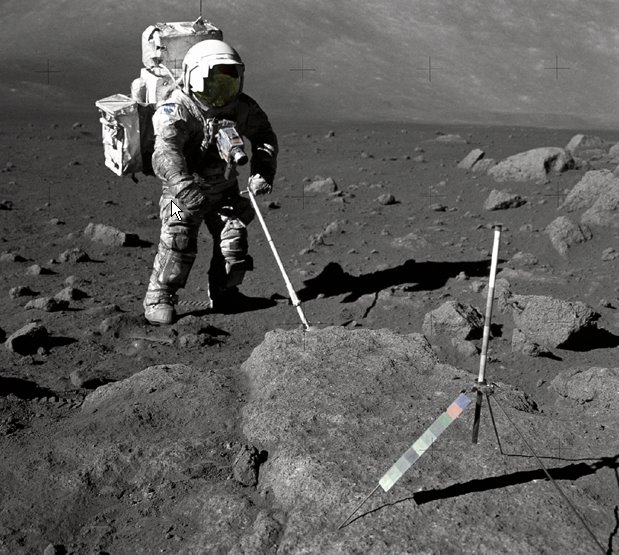
Like walking on the moon, good writing requires discipline. Here are a few places to go to learn that discipline.

Society for Technical Communication (STC)
STC Washington
One way to learn the skills necessary to communicate effectively is through constant reading and study. A disciplined approach includes joining a professional society. I recommend the Society for Technical Communication. Also, take classes from your local Society for Technical Communication, such as the Washington, DC and Baltimore, MD Chapter.

Why? It is the only way to stay disciplined and current in the field. For example, my local STC chapter, Chapter 2 for the Washington, D.C. area, has seminars, newsletters, meetings, communications tools, jobs, Web resources, search tools, competitions, and special interest groups (SIGs), and other ways and means to make you and keep you an first-rate technical communicator.

50 Writing Tools
For a quick primer on How To Write, see Poynteronline.

Try Mike Markel's Technical Communication manual...it lists for above $80 but you can get one on e-bay used for $20. http://www.amazon.com/gp/product/0312403380/104-6699886-0596706?v=gla...

He also has a website that is useful: http://bcs.bedfordstmartins.com/techcomm/default.asp

Your Local Community College Example
Austin Community College Example
Your nearby community college has first-rate, inexpensive courses on technical writing. It is a good place to get started with the nuts and bolts of how good technical writing is accomplished.

A Certificate from a Graduate School
University of Alabama Huntsville
Huntsville, AL has one of the highest concentrations of high-tech manufacturing in the nation. Redstone is there. So is Space Camp, the U.S. Space & Rocket Center, where I took my college student in mechanical engineering when he was six-years old (hmmm...maybe he got the idea to be an ME from the Wernher Von Braun exhibit there) and Redstone. There may be many places to get a graduate school technical writing certificate, but few would seem to be in the shadow of Wernher Von Braun.

A College or University Example
UMBC
If you have the money and the years, there are numerous college and university technical writing programs where you can get an undergraduate or graduate degree.

A Local Writer's Center The Writer's Center Example
Many areas have writer's centers where you can go to hone your craft. Although they do not have the rigor or depth of a college or university writing program, they are excellent places to meet other writers, take courses around your work schedule, and where you can choose from a variety of writing disciplines, from scriptwriting to corporate writing to one-on-one manuscript mentoring. Most of the classes are taught in a workshop format and are a good way to begin to learn the discipline and skills required for good writing.

The Writer's Center in the Washington, D.C. area is one such center. I have taken workshops at The Writer's Center (e.g. HTML and the Web in 200) and can vouch for their quality. As they say on their homepage: Whether you are a seasoned author or are just beginning to write seriously, the workshop experience can nurture your artistic life as few other activities can.

Technical Writing Bookstore's
Reiter's Technical Bookstore Example
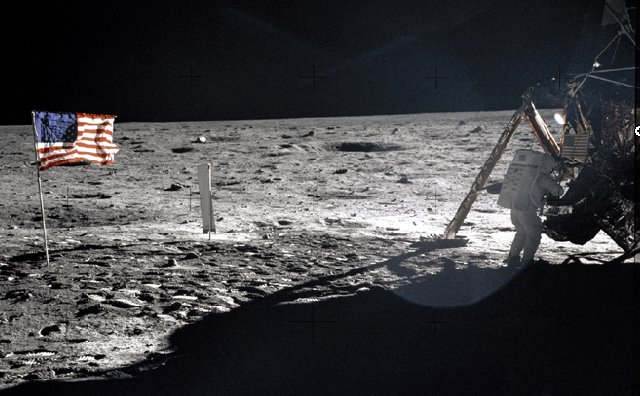
Like becoming an astronaut, technical writing is a discipline that requires much self-learning to be able to master the body of knowledge required to be a first-rate technical communcator. It also requires the kind of devotion to the mission astronaut Neil A Armstrong showed when he was so busy carrying out his tasks when he landed on the moon that he did not get around to taking photos of himself there.

But to keep current with the current and past technical communication body of knowledge, read constantly.